🎧 FREE DELIVERY within Nairobi •
10% OFF DJ Equipment •
Shop Now






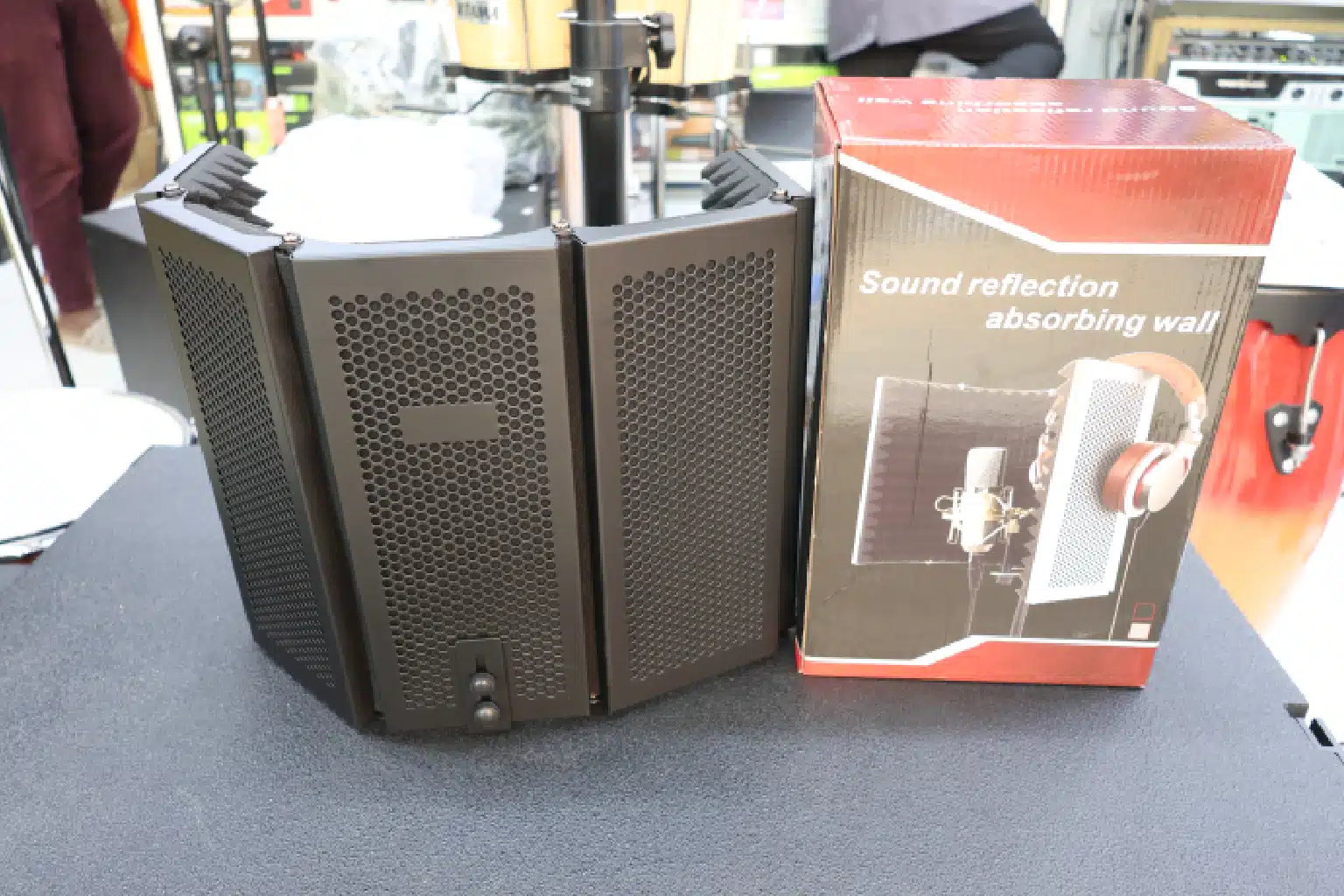
Sound Reflection Absorbing Wall
KSh8,000.00
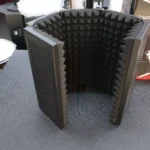
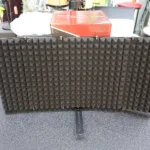
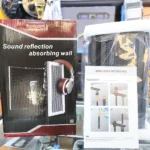
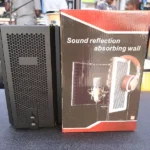
A sound reflection absorbing wall, often referred to as an acoustic absorption panel or soundproofing wall, is designed to reduce noise by minimizing sound reflections.
Compare
Description
[vc_row][vc_column][vc_column_text]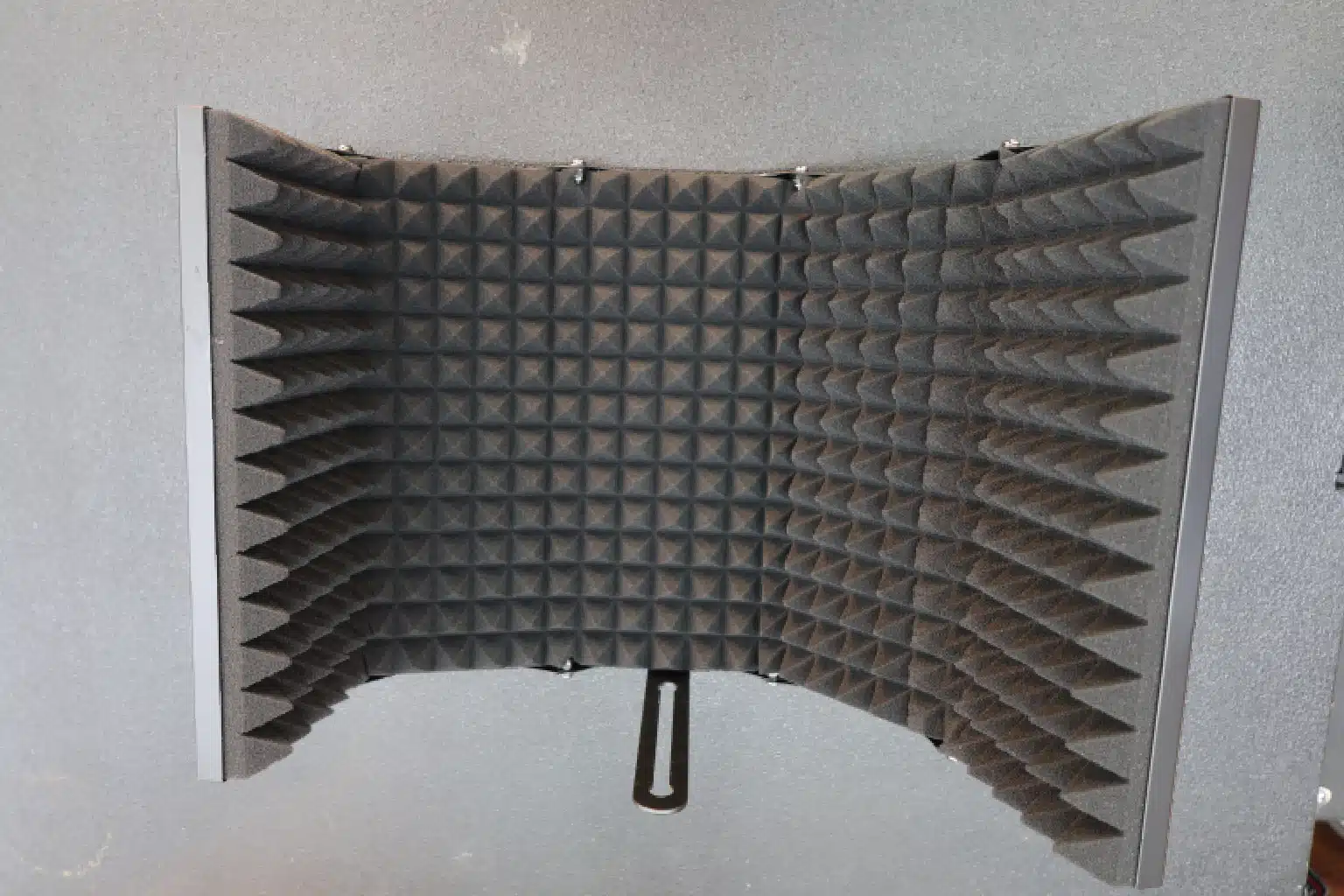 A sound reflection absorbing wall, often referred to as an acoustic absorption panel or soundproofing wall, is designed to reduce noise by minimizing sound reflections. These walls are constructed using materials that have high sound absorption coefficients, meaning they can absorb a significant portion of the sound energy that hits them, rather than reflecting it back into the environment.
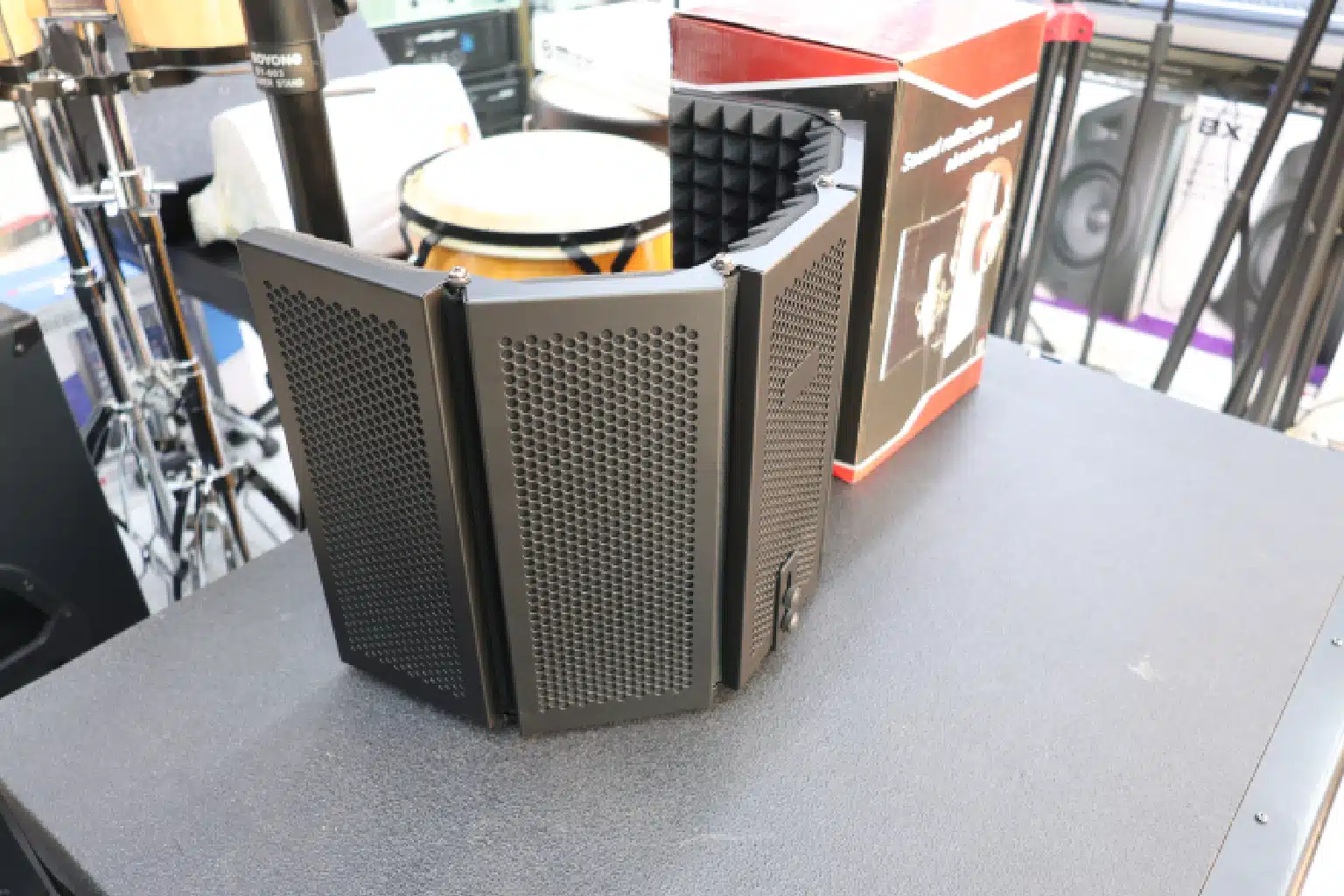 Key features of a sound reflection absorbing wall include:
- Material Composition: Typically made from porous materials like fiberglass, mineral wool, foam, or specialized acoustic fabrics. These materials have a structure that allows sound waves to enter and dissipate within them, converting sound energy into a small amount of heat.
- Surface Texture: The surface of these walls is often designed with patterns or irregularities to increase the surface area and enhance the absorption of sound waves across a broad range of frequencies.
- Thickness and Density: The effectiveness of sound absorption is influenced by the thickness and density of the material. Thicker and denser panels generally provide better low-frequency absorption, while thinner materials are effective for higher frequencies.
- Installation: These walls can be installed in various environments such as recording studios, theaters, offices, and residential spaces. They can be mounted directly onto walls, ceilings, or used as freestanding partitions.
- Aesthetic Design: Modern sound absorbing walls come in various colors, shapes, and sizes, allowing them to blend seamlessly with the interior decor while providing functional acoustic benefits.
Overall, sound reflection absorbing walls play a crucial role in controlling acoustics by reducing echo and reverberation, leading to improved sound clarity and a more pleasant auditory environment.
 [/vc_column_text][/vc_column][/vc_row][vc_row][vc_column][vc_column_text]
Installation and Placement
Determining Acoustic Needs
Before installing sound reflection absorbing walls, it’s important to assess the specific acoustic needs of the space. This involves identifying problem areas where sound reflections are most pronounced and determining the overall acoustic goals. Factors such as room size, shape, and the intended use of the space will influence the type and placement of acoustic treatment.
Strategic Placement
Proper placement of sound absorption panels is key to achieving optimal results. Here are some general guidelines for effective placement:[/vc_column_text][/vc_column][/vc_row][vc_row][vc_column][vc_column_text]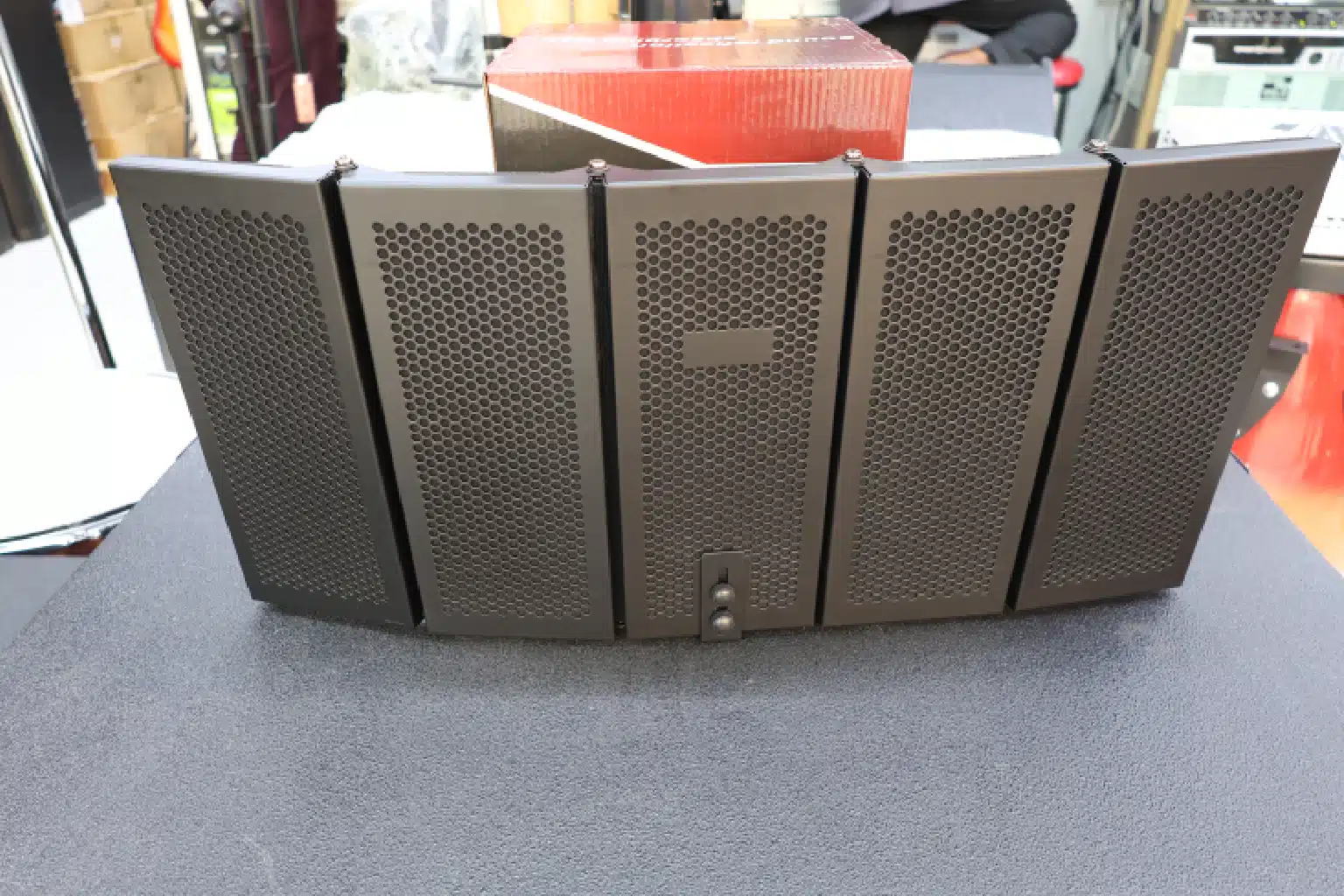 [/vc_column_text][/vc_column][/vc_row][vc_row][vc_column][vc_column_text]
First Reflection Points
The first reflection points are areas where sound waves first bounce off a surface before reaching the listener. Treating these points with absorption panels can significantly reduce early reflections and improve clarity. To locate first reflection points, use the “mirror trick”: have someone move a mirror along the walls while seated in the listening position. Mark the spots where you can see the speakers’ reflection and place panels there.
Corners and Edges
Corners and edges are prime locations for bass traps, as low-frequency sound waves tend to accumulate in these areas. Placing bass traps in the corners of a room can help control low-frequency resonances and create a more balanced sound.[/vc_column_text][/vc_column][/vc_row][vc_row][vc_column][vc_column_text]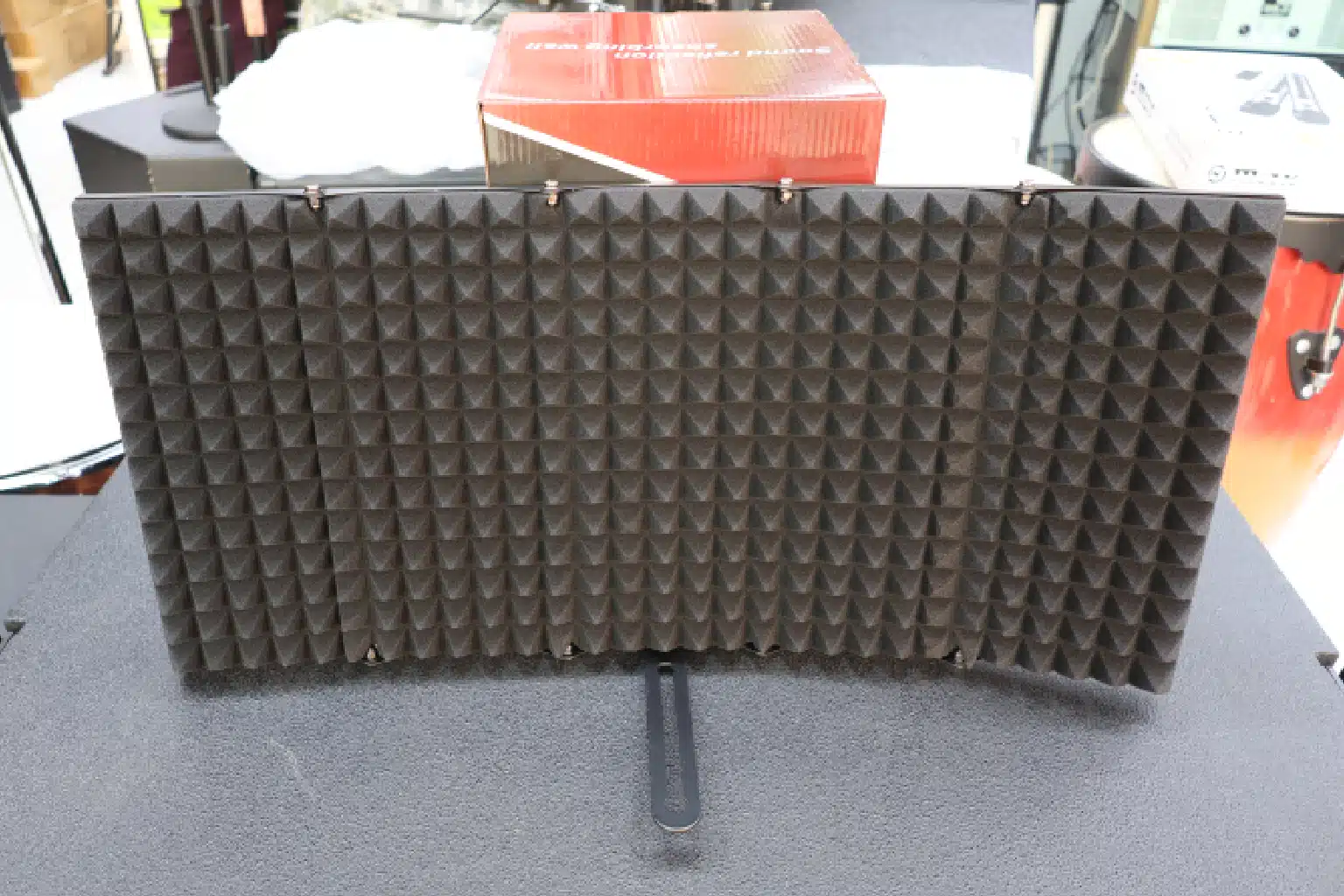 [/vc_column_text][/vc_column][/vc_row][vc_row][vc_column][vc_column_text]
Ceiling and Floor
Ceilings and floors can also contribute to unwanted reflections. Acoustic clouds or ceiling-mounted panels can help absorb sound reflections from above, while area rugs or carpets can address reflections from the floor.
Rear Wall
The rear wall, especially in larger rooms, can cause significant reflections that affect the overall sound quality. Treating the rear wall with a combination of absorption and diffusion can help manage these reflections and create a more controlled acoustic environment.[/vc_column_text][/vc_column][/vc_row][vc_row][vc_column][vc_column_text]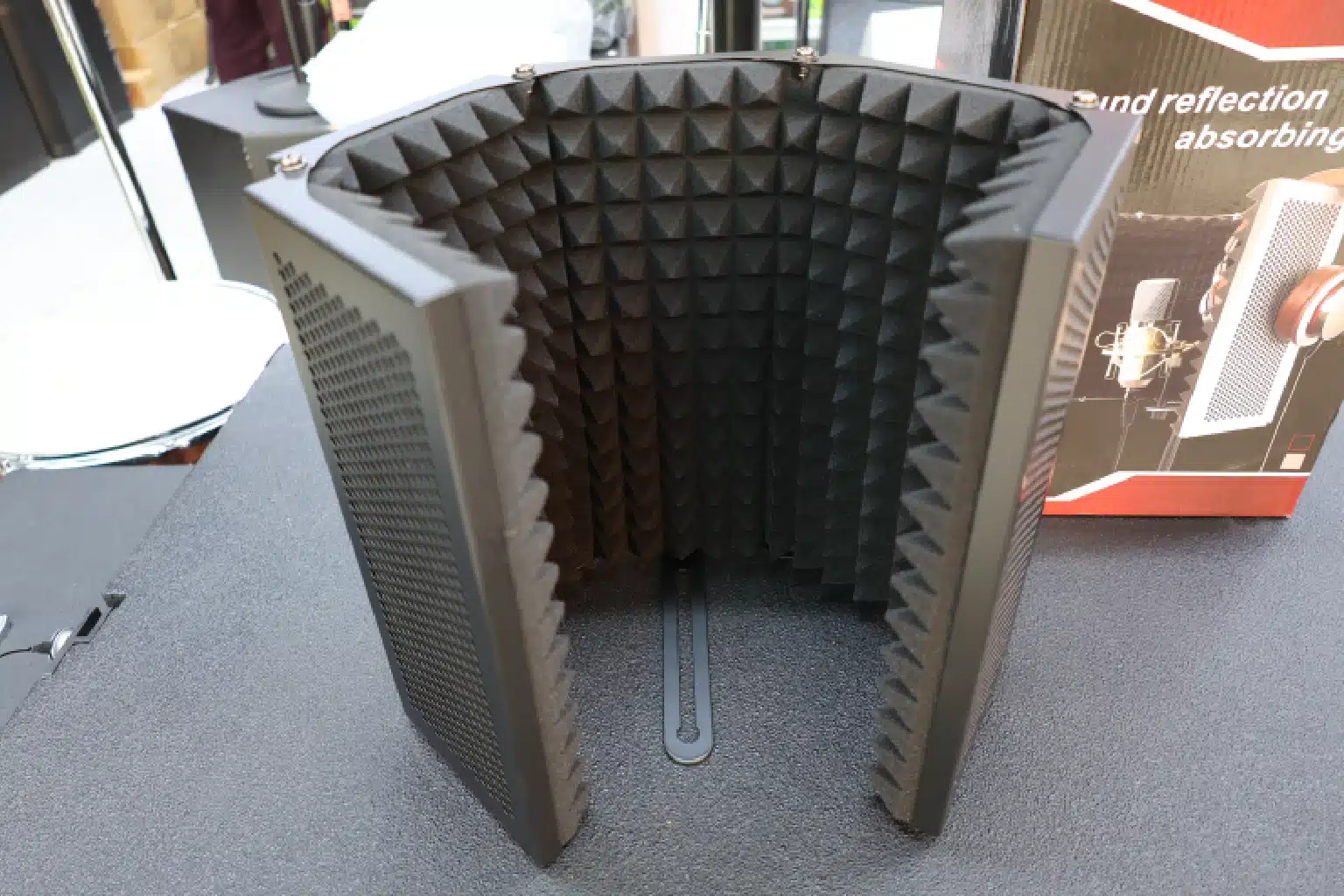 [/vc_column_text][/vc_column][/vc_row][vc_row][vc_column][vc_column_text]
Installation Methods
The installation method will depend on the type of acoustic panels and the specific requirements of the space. Common installation methods include:
Adhesive Mounting
Adhesive mounting is a quick and easy method for installing lightweight foam panels. Specialized acoustic adhesive or double-sided tape can be used to attach panels directly to walls or ceilings. This method is ideal for temporary installations or situations where minimal wall damage is desired.
Mechanical Fasteners
For heavier panels such as fiberglass or mineral wool, mechanical fasteners like screws, anchors, or Z-clips are recommended. This method provides a more secure and permanent installation, ensuring the panels remain firmly in place over time.[/vc_column_text][/vc_column][/vc_row][vc_row][vc_column][vc_column_text]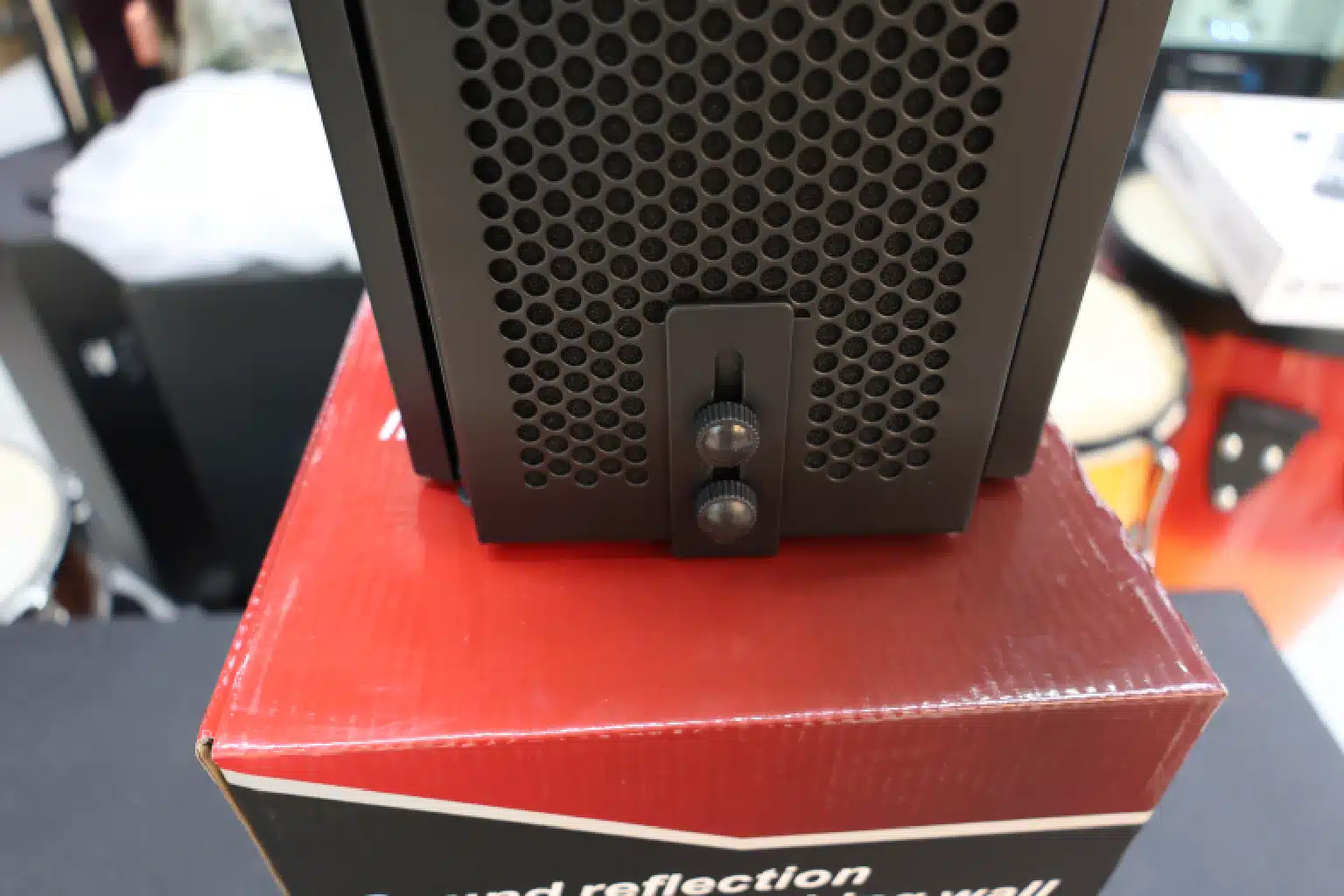 [/vc_column_text][/vc_column][/vc_row][vc_row][vc_column][vc_column_text]
Freestanding Panels
Freestanding panels are versatile and can be easily moved or repositioned as needed. These panels are typically mounted on stands or frames and are ideal for temporary setups, rental spaces, or situations where wall mounting is not possible.
Acoustic Clouds
Acoustic clouds are panels suspended from the ceiling to address reflections from above. They are commonly used in studios, auditoriums, and large rooms where ceiling reflections can be problematic. Acoustic clouds can be mounted using cables, chains, or specialized ceiling mounts.[/vc_column_text][/vc_column][/vc_row][vc_row][vc_column][vc_column_text]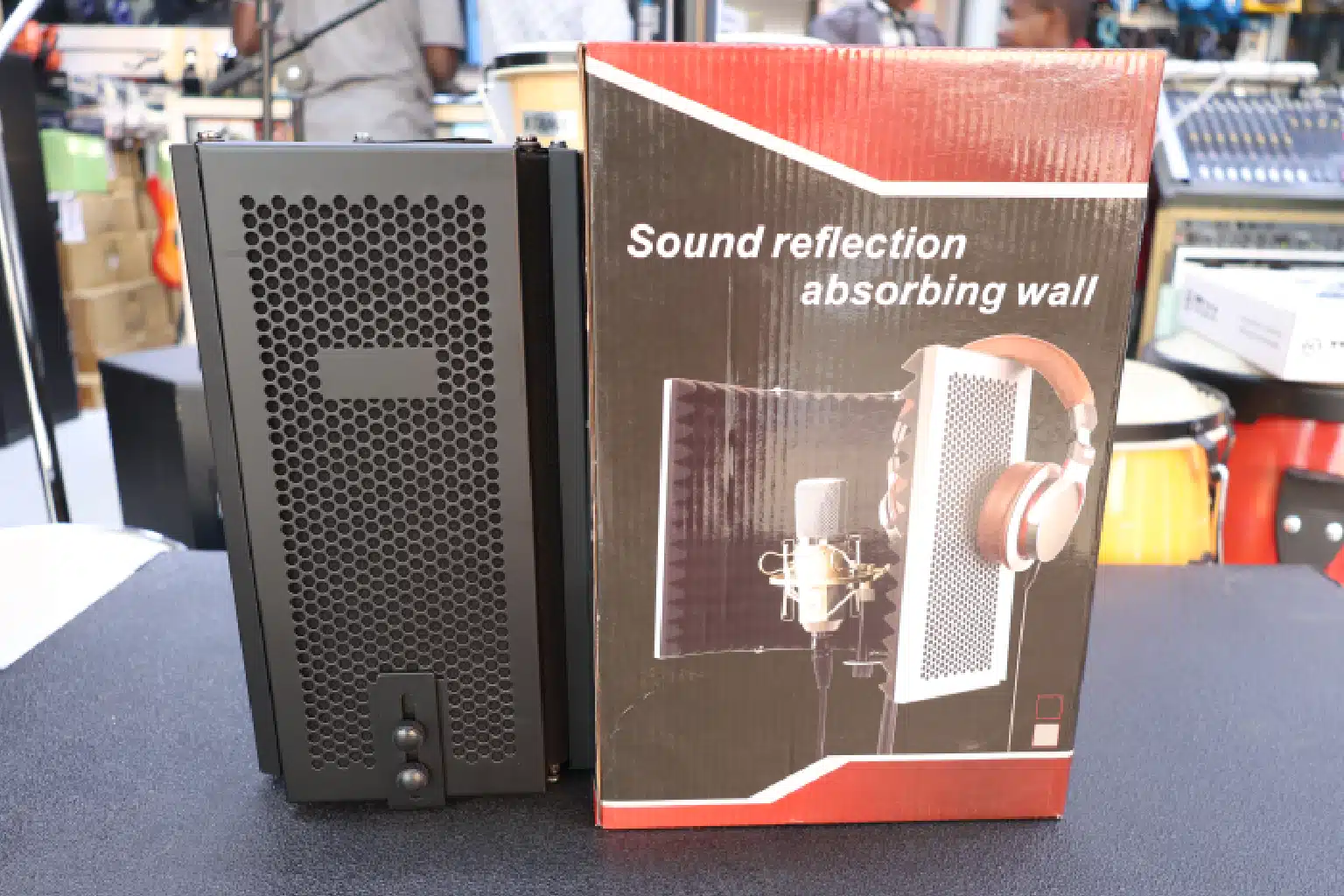 [/vc_column_text][/vc_column][/vc_row]
Reviews (0)
Shipping and Delivery
Related products

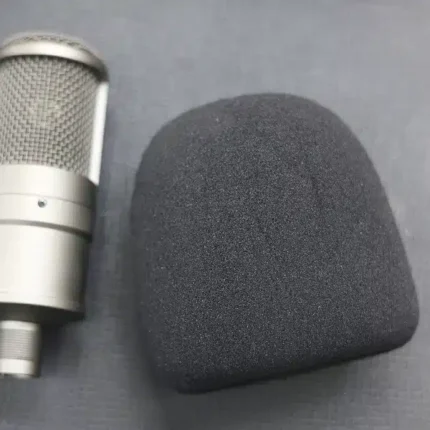
Condenser Microphone Sponge
Order Now
Key Features:
- Wind and Pop Noise Reduction:
- The primary function of the microphone sponge is to reduce wind noise and plosive sounds (such as "p" and "b" sounds) that can cause distortion and unwanted noise in your recordings. By diffusing air pressure, it ensures clearer and more professional audio output.
- Protection from Moisture and Dust:
- The sponge acts as a barrier against moisture from breath and environmental dust, helping to protect the microphone's delicate internal components. This extends the lifespan of the microphone and maintains its performance over time.


Behringer Ultralink MS8000
Order Now
ULTRALINK MS8000
When it comes to connectivity on the stage or in the studio, you can never have too much – and that’s where the ultra-flexible MS8000 8-Channel Microphone Splitter makes all the difference. The MS8000 provides the ideal solution for live and recording musicians who need to send signals to multiple locations, including mixing and recording consoles, In-Ear-Monitors (IEMs), floor wedges, broadcast trucks and much more. With 8 Inputs and 16 Outputs, the MS8000 easily connects you to the Front of House (FOH) console – and sends duplicate signals to your choice of destination devices.


Alctron MA001W Professional Mic Shockmount
Order Now
The Alctron MA001W Microphone Shock Mount is designed significantly to reduce vibration transmission to all microphones. Hold your mic tight for perfect safety and placement. The suspension is equipped with a special elastic rubber band system that reduces noise from vibration. This piece of isolation equipment is an essential part of capturing your sound source‚ pure, the original signal for optimum reproduction. It is a very important accessory for recording users.

Keyboard Bench
Order Now
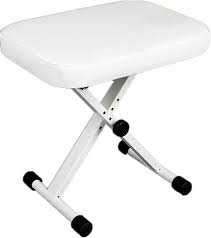
Keyboard Bench
Styled in white, the 14077 from K&M is a piano seat featuring a tubular steel construction, providing both durability and height adjustment by means of its inserted screw. The seat can be raised between 16.3 to 24″.
Its wobble-free design is achieved, in part, by adjustable end-caps located on its legs; these end-caps can stabilize the bench.
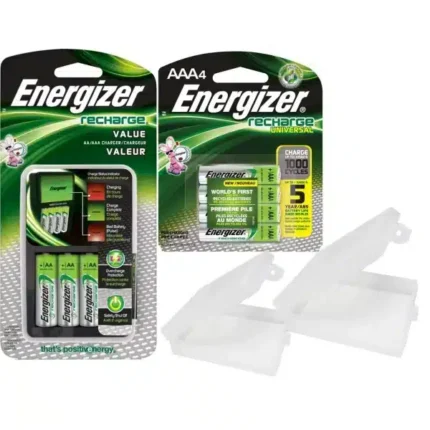
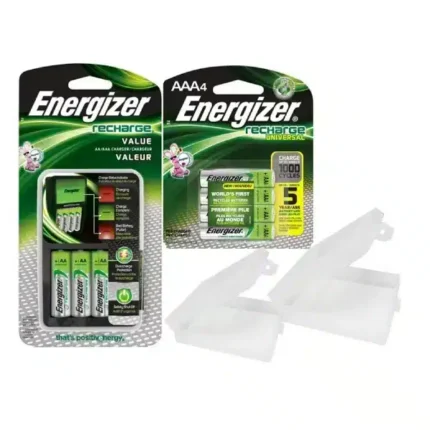
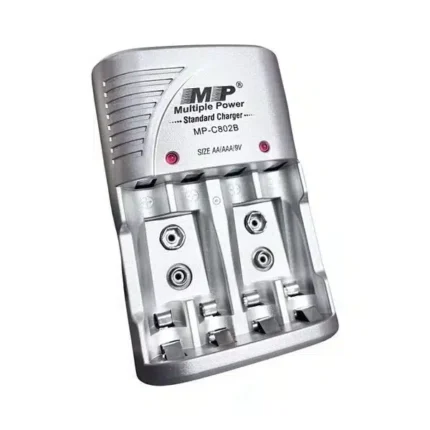
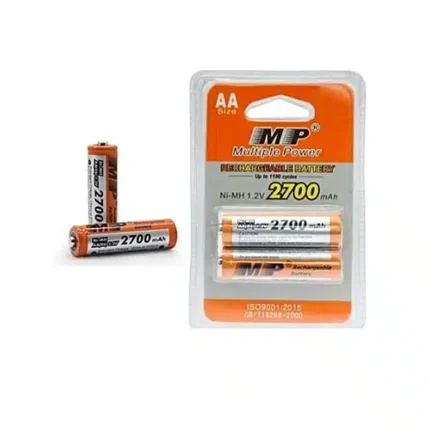
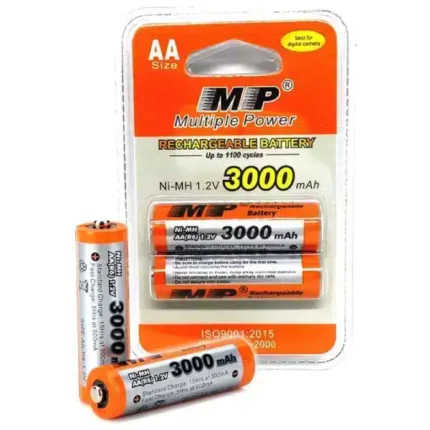
Energizer batteries plus charger
Order Now
In today's fast-paced digital world, reliable power sources are a necessity. Whether it's for powering essential everyday devices like remote controls, clocks, or wireless keyboards, or for high-drain electronics such as cameras, toys, or game controllers, having a dependable battery solution is crucial.

Reviews
There are no reviews yet.